
What Can I Recycle at Home? Personal Items, Common Electronics, and Easy Recycling Tips

That junk drawer, closet shelf, and garage corner probably hold more recyclable stuff than you think. The tricky part is knowing what can go in the curbside bin, what needs a drop-off spot, and what should never be tossed in regular trash.
If you’ve ever stood over the bin wondering, “Wait, what can I recycle?” this guide breaks it down in plain language. We’ll cover everyday home items, personal items, and common electronics, plus a few easy habits that make recycling less confusing.

Start with the everyday items most homes collect
Most household recycling starts with the basics. These are the items many curbside recycling programs accept, though rules can vary by city or county.
Paper and cardboard
Paper is one of the easiest things to recycle when it’s clean and dry.
Common recyclable paper items include:
Mail and envelopes
Newspapers and magazines
Printer paper
Paper bags
Cardboard boxes
Cereal and snack boxes
Flatten cardboard boxes before recycling them. It saves space in the bin and helps collection go smoother.
Skip paper that’s greasy, wet, or covered in food. A pizza box with a clean top can sometimes be recycled if you tear off the greasy bottom. If the whole box is oily, it usually belongs in the trash or compost, if your area accepts it.
Glass bottles and jars
Glass bottles and jars are often recyclable, especially clear, brown, and green glass food containers.
Before recycling glass:
Empty it.
Give it a quick rinse.
Put the lid back on if your local program allows it, or recycle the metal lid separately.
Don’t toss drinking glasses, mirrors, window glass, or light bulbs into regular glass recycling. They’re made differently and can cause problems during sorting.
Metal cans and clean foil
Aluminum cans, steel food cans, and clean metal lids are commonly accepted.
Good examples include:
Soda cans
Soup cans
Tuna cans
Pet food cans
Clean aluminum foil
Clean aluminum trays
Rinse food cans first. They don’t need to be spotless, but they shouldn’t have chunks of food inside.
Plastic bottles, tubs, and jugs
Plastic recycling rules vary a lot, so check your local list. In many areas, plastic bottles, jugs, and tubs are accepted.
Common examples include:
Water and beverage bottles
Milk jugs
Laundry detergent jugs
Shampoo bottles
Yogurt tubs
Butter tubs
Empty and rinse them. Put caps back on if your local program asks for that. Avoid guessing with plastic bags, foam packaging, and wrappers. These often don’t belong in curbside bins.

Personal items that can be recycled or reused
Personal items are where recycling gets a little less obvious. Some can go in regular recycling, but many need special drop-off programs.
Clothing, shoes, and textiles
Old clothes don’t usually go in curbside recycling, but they can often be reused or recycled through textile collection bins, donation centers, or community drop-off events.
Recycle or donate items like:
Shirts, pants, and jackets
Shoes
Belts and bags
Towels
Sheets and blankets
If clothing is still wearable, donate it. If it’s worn out, look for textile recycling. Some programs accept torn fabric, but they may ask that it be clean and dry.
Bathroom and personal care containers
A lot of bathroom waste is recyclable if you empty it first.
Look for:
Shampoo and conditioner bottles
Body wash bottles
Lotion bottles
Mouthwash bottles
Cardboard toothpaste boxes
Toilet paper tubes
Small caps, pumps, toothpaste tubes, toothbrushes, and makeup containers are harder to recycle. Some stores or mail-in programs collect these, but they usually don’t belong in a basic curbside bin.
Eyeglasses and accessories
Old eyeglasses can often be donated through community collection programs. They’re not usually handled through curbside recycling.
Jewelry, watches, and small accessories are better donated, repaired, or taken to a specialty recycler if they contain metal or batteries.
Common electronics need special care
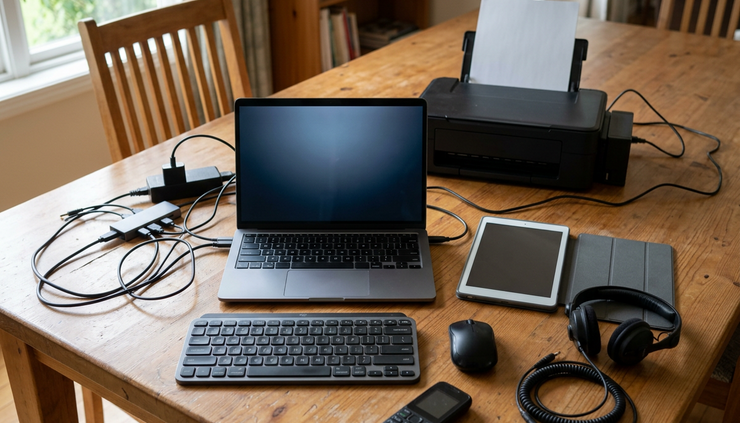
Electronics should not go in the regular recycling bin. They can contain batteries, glass, metals, and small parts that need careful handling. Many also hold personal information, so take a few extra steps before letting them go.
Common household electronics include:
Cell phones
Tablets
Laptops
Desktop computers
Computer monitors
Keyboards and mice
Printers and scanners
Game systems
Cameras
Speakers and headphones
Smartwatches
Old home phones
Routers and cables
Small kitchen gadgets with cords
For electronics recycling, computer recycling, and laptop recycling, look for city collection events, approved drop-off centers, or retailer take-back programs. Many communities have special collection days for old electronics.
What to do before recycling electronics
Before you recycle a phone, computer, or tablet, protect your information.
Do these first:
Back up files you want to keep.
Sign out of accounts.
Remove memory cards if the device has them.
Reset the device to erase personal information.
Remove batteries only if they’re meant to come out easily.
Don’t try to open sealed electronics or remove built-in batteries yourself. If a battery looks swollen, leaking, hot, or damaged, keep it away from anything flammable and ask your local waste program how to handle it safely.
Batteries do not belong in the bin
Loose batteries can be dangerous in regular recycling trucks and sorting centers, especially rechargeable batteries from phones, tools, toys, and laptops.
Recycle batteries through battery drop-off boxes, local collection events, or hazardous waste programs. Tape the ends of rechargeable batteries if local instructions ask for it, especially if they’re loose in a bag or box.
How to recycle without overthinking it
Recycling gets easier when you build a simple setup at home. You don’t need fancy bins. A few labeled containers in a kitchen, mudroom, closet, or garage can do the job.
Try this setup:
Curbside recycling Paper, cardboard, metal cans, accepted plastics, and accepted glass.
Store drop-off items Plastic bags, certain wraps, and other items your local stores collect.
Special recycling Electronics, batteries, light bulbs, and paint.
Donate or reuse Clothes, shoes, books, dishes, small furniture, and working household items.
The biggest rule is simple: when in doubt, check locally before tossing it in the recycling bin. Putting the wrong item in the bin can spoil otherwise good recyclables or create safety risks.
Items that often do not belong in curbside recycling
Some items feel recyclable, but they can jam equipment, break, leak, or contaminate other materials.
Keep these out of the curbside bin unless your local program clearly says yes:
Plastic bags and plastic wrap
Foam cups and foam packaging
Food-soiled paper
Garden hoses
Electrical cords
Clothing and shoes
Batteries
Electronics
Light bulbs
Paint cans with paint inside
Medical sharps
Broken glassware
Ceramics and dishes
A good shortcut: if it tangles, leaks, breaks into sharp pieces, contains a battery, or has food stuck to it, pause before recycling it.

A simple recycling routine that actually sticks
Start small. Pick one thing that piles up in your home, like cardboard boxes or drink cans, and get that right first. Then add electronics, batteries, and clothing once the basics feel easy.
Here’s a simple routine:
Empty and rinse containers.
Keep paper and cardboard dry.
Flatten boxes.
Separate batteries and electronics.
Donate usable items before recycling them.
Check local rules for anything confusing.
Recycling doesn’t have to be perfect to be useful. The goal is to send clean, accepted materials to the right place and keep problem items out of the wrong bin. Once you know the main categories, your home gets less cluttered, your trash gets lighter, and recycling starts to feel like a normal part of the week.

Comments